
Schedule a Free Consultation  972-905-2170

What Is the Good Moral Character Requirement for Naturalization?
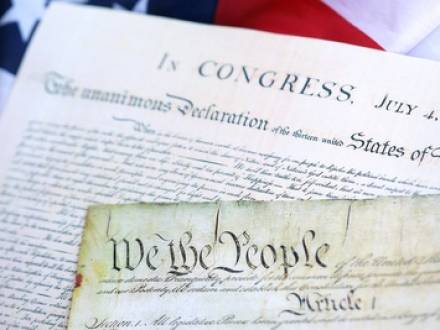 Good moral character is a requirement for becoming a U.S. citizen. USCIS must be satisfied that you have acted the way an average, decent person in your community would act. This applies to the years before you apply for citizenship. Certain crimes or dishonest acts can stop you from meeting this standard. Going through the naturalization process can already feel stressful in 2026. Worrying about your past adds even more pressure. If you have concerns, our Dallas, TX U.S. citizenship lawyer can help you understand how this rule applies to you.
How Does Federal Law Define Good Moral Character for Naturalization?
Good moral character is a legal requirement. It comes from 8 U.S.C. Section 1427. This law says you must show good moral character for a set period before you apply. For most people, this period is five years. If you're applying based on marriage to a U.S. citizen, it's three years.
There is no single definition of good moral character. Instead, it means acting in a way that fits the moral standards of your community. This standard involves some judgment. Because of this, USCIS officers look at your whole record. They don't just look at one event.
What Actions Can Prevent Someone From Meeting the Good Moral Character Requirement?
Some actions will automatically stop you from meeting this requirement. Other actions get reviewed case by case. Automatic bars often include:
- Convictions for serious crimes, like murder or aggravated felonies
- Convictions for crimes involving moral turpitude within the relevant time period
- Lying to get an immigration benefit
- Habitual drunkenness or illegal gambling as a main source of income
- Not paying required child support or alimony
Beyond these automatic bars, USCIS officers can also deny your case for other reasons. This can happen even if your issue doesn't fall into one of these exact categories.
Does Any Past Criminal Conviction Automatically Disqualify You From Naturalization?
As previously mentioned, some convictions create a permanent bar. Others only matter if they happened within the required time period before you filed. A small offense from many years ago may not affect your case much. But a more serious conviction, even an old one, could still cause problems. This is why you should review your full criminal history with a lawyer before you file. Even something that seems minor to you could look different to USCIS.
What if You Lie on Your Naturalization Application?
Lying on your application or during your interview can hurt your case on its own. This is true even if the thing you lied about wasn't a big deal. USCIS is very strict about honesty. It's usually better to share difficult information upfront, with context, instead of hoping it goes unnoticed. A lawyer can help you explain sensitive information the right way. This can help you avoid red flags.
Can Good Character Be Shown for Naturalization Even With a Difficult Past?
USCIS looks at more than just your past mistakes. It also considers proof that you've changed and made good choices since then. This can include letters from people who know you, steady work history, time spent helping your community, and finishing any required legal steps, like probation. This kind of evidence can show that you meet the good moral character standard now, even if your record isn't perfectly clean.
What Should You Do if You're Worried About Meeting the Good Moral Character Requirement?
If you're worried about how your past might affect your case, start by gathering paperwork about any past legal issues. This includes court records showing how each case ended. Think through your history honestly.
Be ready to talk about it openly with a lawyer. Don't downplay or leave out details, since they could come up during your background check anyway. Getting a lawyer to review your case before you file gives you the best shot at a strong, honest application.
Schedule a Free Consultation With Our Plano, TX Immigration Attorney
Understanding whether you meet the good moral character requirement can bring real relief during the naturalization process. You shouldn't have to figure this out alone. Attorney Jae Lee's own parents went through the immigration process. This gives him a personal understanding of what's at stake for families seeking citizenship.
Contact The Law Office of Jae Lee at 214-799-5062 to talk to our Dallas, TX U.S. citizenship lawyer today. You’ll work directly with Jae for one-on-one help throughout your case. Remote meetings are available if you can't meet in person.


From our offices in Dallas and Plano, Texas, we serve clients throughout the surrounding areas including Fort Worth, Irving, Arlington, Farmers Branch, Frisco, Carrollton, Garland, Addison, Richardson, Allen, Murphy, Wylie, McKinney, Dallas County, Collin County, Denton County, and all of Northeastern Texas.
Results listed are not a guarantee or indication of future case results.
Contact Our Firm
 The use of the Internet or this form for communication with the firm or any individual member of the firm does not establish an attorney-client relationship. Confidential or time-sensitive information should not be sent through this form.
I have read and understand the Disclaimer and Privacy Policy.